
How Rejuvenation Helps Leaders Build Courage, Trust, and Resilience
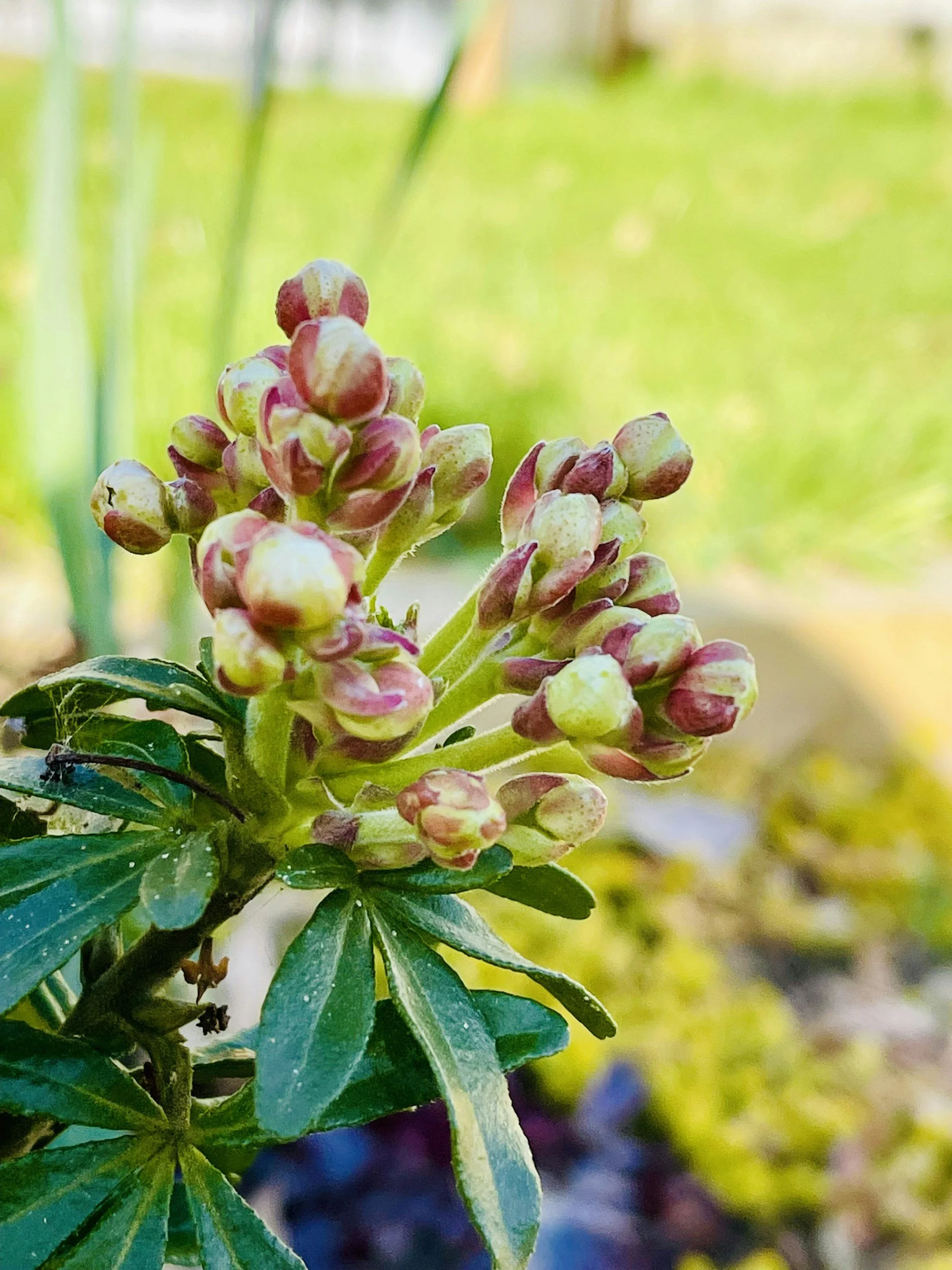
Why renewal is not a luxury for leaders, but a necessary part of leading with courage, clarity, and presence
There is a story many leaders quietly carry that says if you are exhausted, you must be working hard enough. If your calendar is packed, your mind is full, and you are constantly pushing through, it can feel like proof that you are committed. In some environments, that kind of depletion is even worn like a badge of honor.
But most leaders know what happens when that pace goes on too long. You may still be functioning, still producing, still showing up, but not in the way you want to. Your patience shortens. Your reactions get quicker. Your empathy becomes harder to access. The conversations that require courage feel heavier than they should. The truth is, when we are deeply depleted, we do not lead from our best self. We lead from survival.
That is why feeling rejuvenated is not a nice extra. It is part of what makes brave leadership possible.
Dare to Lead reminds us that courage is not just about bold action. It is also about self-awareness, vulnerability, trust, and values-based behavior. Those things ask something real of us. They require presence. They require emotional steadiness. They require enough internal capacity to stay open, curious, and grounded, especially when things get hard.
When leaders are running on empty, they often become more reactive without meaning to. They may get more controlling, less patient, or more avoidant. They may rush through conversations instead of staying present in them. They may know exactly how they want to lead, but feel too worn down to consistently access that version of themselves. This is not a character flaw. It is a human one.
Depletion narrows us. Rejuvenation helps open us back up.
It brings us back to ourselves. It restores some of the energy, perspective, and emotional space that leadership draws on every day. A rejuvenated leader is not a perfect leader, and certainly not a stress-free one. But they are more likely to pause before reacting, listen with care, and respond with intention. They are better able to stay connected to their values rather than being pulled around by pressure.
This matters because burnout does not stay hidden. It always shows up somewhere. It appears in tone, in decision-making, in relationships, and in the emotional climate leaders create around them. Teams do not just experience a leader’s strategy. They experience their energy. They feel the difference between a leader who is grounded and one who is chronically overwhelmed.
That is one reason renewal matters so much. It is not just personal. It is cultural.
When leaders model constant overextension, others often feel pressure to do the same. When leaders act as though exhaustion is the cost of being committed, that message spreads quickly. But when leaders make room for reflection, protect their energy, and respect their own limits, they create permission for a healthier kind of leadership. They show that courage and well-being are not opposites. In fact, they often strengthen each other.
Real rejuvenation does not have to be dramatic. It is not always a week away or a major life reset. Often, it starts with something much smaller. It may be creating space to think. It may be getting honest about what is draining you. It may be stepping away from constant input, saying no more often, or returning to something that helps you feel like yourself again. What matters is not how impressive it looks from the outside. What matters is whether it truly restores you.
Not everything that helps us disconnect actually helps us renew. Some things simply numb us for a while. Rejuvenation is different. It gives something back. It helps us come back clearer, steadier, and more available to ourselves and others.
For leaders who care deeply, this can be especially challenging. The most committed people are often the ones most likely to override their own needs. They want to be there for everyone. They want to carry the load. They want to do the right thing. But there comes a point when replenishment is not selfish. It is responsible. If leadership asks us to bring courage, clarity, and trust into the room, we need to care for the conditions that make them possible.
Feeling rejuvenated does not mean life is easy. It means you have created enough space to return to yourself. And from that place, leadership becomes more honest, more grounded, and more sustainable.
At Get Courageous, we believe brave leadership is not about performing strength at all costs. It is about leading with self-awareness, emotional honesty, and the courage to do things differently. Sometimes that includes having the hard conversation. Sometimes it includes setting a boundary. And sometimes it includes recognizing that renewal is not a distraction from leadership. It is part of leadership.
Ready to lead with more courage and less depletion?
Get Courageous supports leaders and teams in building trust, strengthening self-awareness, and leading in ways that are both brave and sustainable. If that kind of leadership is what you want to build, let’s start the conversation.
Want to join an upcoming Dare to Lead virtual workshop? https://getcourageous.regfox.com/dare-to-lead